
What is Freemasonry?
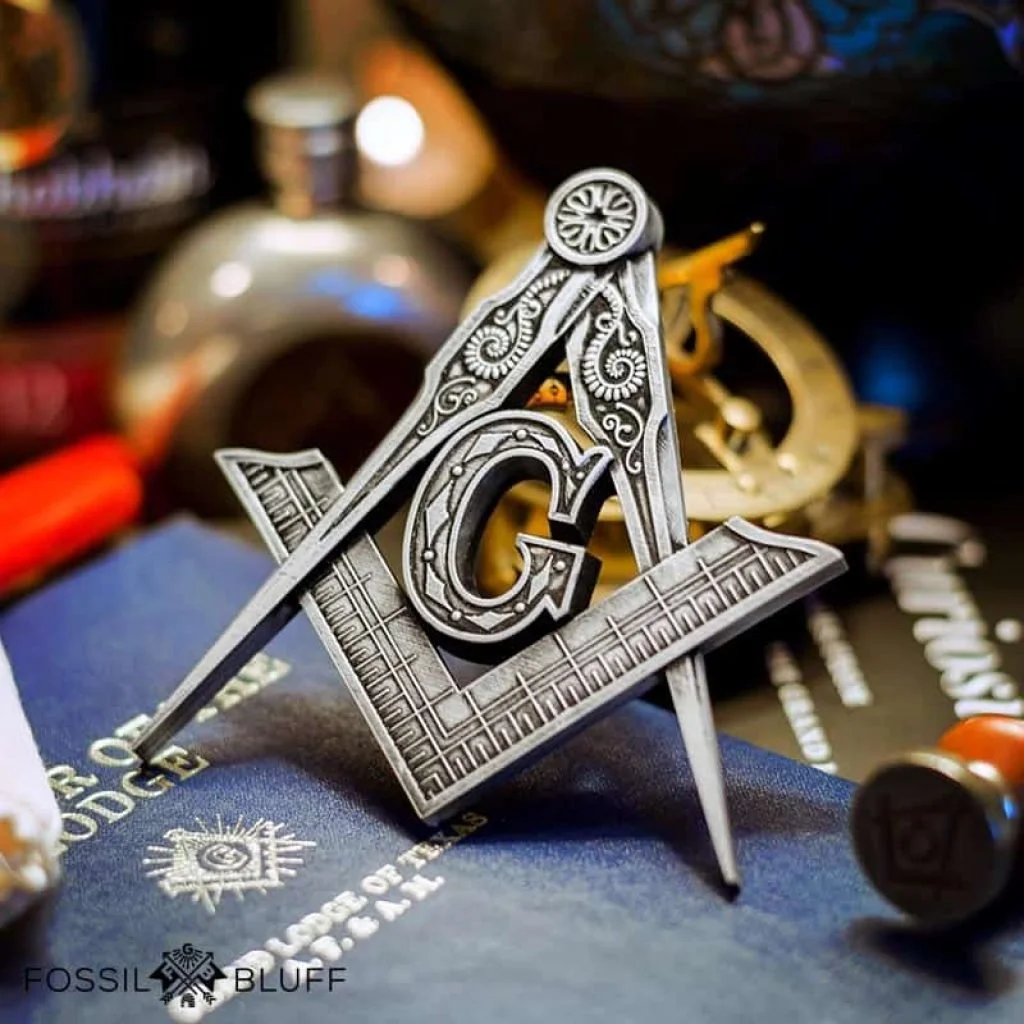
Freemasonry is one of the world’s oldest fraternal organizations, with roots in the stonemasons’ guilds of medieval Europe. From those origins, it evolved into a fraternity dedicated to moral instruction, personal development, and service, using the tools and language of architecture as symbols for building a better life.
At its heart, Freemasonry is concerned with character. Through tradition, symbolism, and fellowship, Masons are encouraged to reflect on their conduct, strengthen their sense of responsibility, and strive to live with integrity. These lessons are offered as principles for individual consideration rather than rules imposed from without.
Freemasonry is not a religion, nor does it seek to replace any system of faith. It requires belief in a Supreme Being and encourages members to practice their faith as they understand it. Men of different religious traditions meet in the Lodge on equal footing, united by shared moral values. Likewise, Freemasonry is not a political organization, and partisan politics have no place within the Lodge.
The fundamental organizational unit of Freemasonry is the Masonic Lodge. Each Lodge operates under a charter granted by a recognized Grand Lodge. In Florida, all regular Lodges operate under the authority of the Most Worshipful Grand Lodge of Free and Accepted Masons of Florida.
Freemasonry is structured around three degrees—Entered Apprentice, Fellow Craft, and Master Mason—each building upon the previous one through symbolism and allegory. These teachings emphasize personal responsibility, self-discipline, and respect for others.
Beyond the Lodge, Freemasonry encourages charity and service, carried out with humility and discretion. Its influence is most often seen not in public display, but in the daily conduct of its members. Freemasonry endures because its principles remain relevant, offering continuity and reflection in a changing world.
Making Good Men Better
-
Freemasonry is founded upon three core principles:
Brotherly Love – A commitment to treating others with respect, kindness, and understanding, regardless of personal differences.
Relief – A dedication to charity and compassion, particularly toward those in need.
Truth – A lifelong pursuit of knowledge, integrity, and moral clarity.
These principles guide the actions of individual Masons and the conduct of Lodges throughout the world.
-
Freemasonry is:
A fraternal organization, not a religion
An organization that encourages its members to practice their faith and moral beliefs
A place for fellowship, learning, and service
Structured around ethical teachings conveyed through symbolism and tradition
Freemasonry is not:
A political organization
A substitute for religion
A secret society engaged in hidden agendas or influence
A commercial enterprise
While certain traditions and modes of recognition are reserved for members, the values and aims of Freemasonry are openly discussed and widely documented.
-
Membership in Freemasonry is open to men who meet the qualifications established by the Grand Lodge of Florida. Candidates must seek membership of their own free will and not be solicited.
In general terms, Freemasonry expects its members to:
Be men of good moral character
Believe in a Supreme Being
Be willing to commit time and effort to self-improvement and service
Respect the laws and institutions of the country in which they live
Specific qualifications and procedures are governed by the Grand Lodge and administered at the Lodge level.
-
The Masonic Lodge is the fundamental organizational unit of Freemasonry. It is where members meet to conduct business, confer degrees, and participate in fellowship. Each Lodge operates under a charter granted by its Grand Lodge and is bound by that Grand Lodge’s laws and regulations.
In Florida, all regular Masonic Lodges operate under the authority of the Most Worshipful Grand Lodge of Free and Accepted Masons of Florida. Local Lodges, including Cape Coral Masonic Lodge #367, function within this structure while serving their local communities.
-
Freemasonry is structured around three degrees:
Entered Apprentice
Fellow Craft
Master Mason
Each degree builds upon the lessons of the previous one, using allegory and symbolism to reinforce moral instruction and personal responsibility. Degree work is conducted in a formal setting and is reserved for members and candidates.
-
Freemasons are encouraged to be active, engaged members of their communities. Lodges and individual Masons support charitable efforts, civic involvement, and acts of service consistent with Masonic principles.
Charitable activities are conducted with humility and discretion, reflecting the Masonic belief that service should be offered without expectation of recognition.
Charitable activities are conducted with humility and discretion, reflecting the Masonic belief that service should be offered without expectation of recognition.
-
This website provides general information about Freemasonry and Cape Coral Masonic Lodge #367. For authoritative and comprehensive information, visitors are encouraged to consult the official website of the Grand Lodge of Florida.
All inquiries are handled in accordance with Grand Lodge regulations and traditions.
The following links are provided for reference and additional information:
Most Worshipful Grand Lodge of Free and Accepted Masons of Florida
https://grandlodgefl.comMasonic Information Center (General Masonic Education)
https://www.freemasoninformation.com